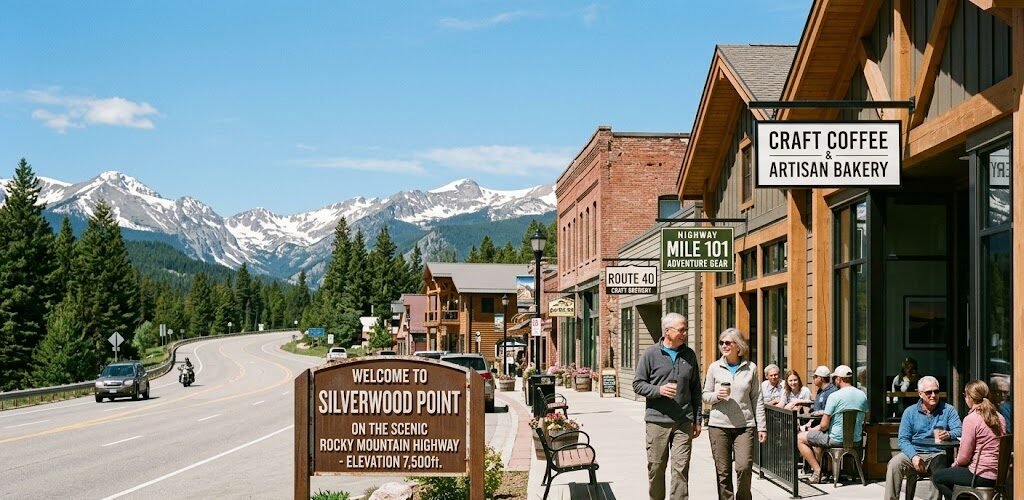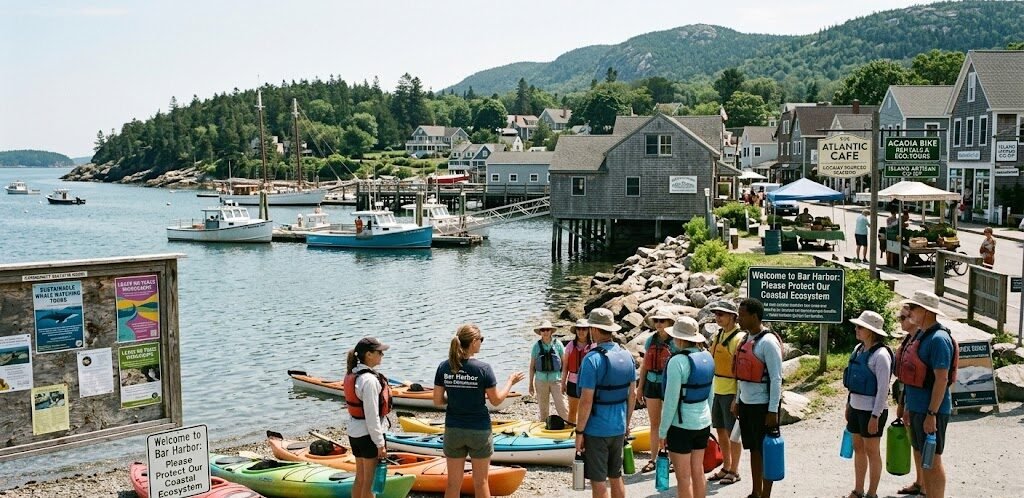
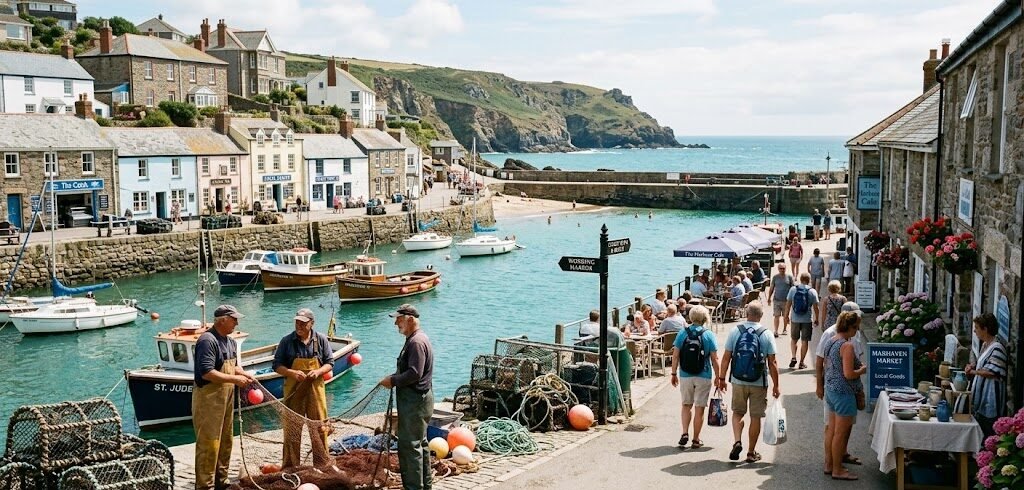
Coastal towns worldwide face an intricate challenge that requires careful consideration and strategic planning. While tourism represents a vital economic lifeline for these communities, maintaining the quality of life for permanent residents has become increasingly complex. The delicate equilibrium between welcoming visitors and preserving local character defines the modern coastal town experience.
The Economic Significance of Coastal Tourism
Tourism serves as the economic backbone for numerous coastal communities, generating substantial revenue streams that support local businesses, infrastructure development, and employment opportunities. Restaurants, accommodations, retail establishments, and recreational services flourish during peak seasons, providing livelihoods for countless families who depend on visitor spending.
The multiplier effect of tourism dollars circulating through coastal economies cannot be understated. When tourists spend money on local goods and services, these funds support various sectors beyond the immediate hospitality industry, including construction, transportation, and professional services. This economic interdependence has made tourism an indispensable component of coastal town prosperity.
Challenges Facing Permanent Residents
Despite the economic benefits, residents of coastal towns encounter numerous difficulties stemming from tourism’s seasonal fluctuations and long-term impacts. Understanding these challenges is essential for developing effective solutions.
Housing Affordability and Availability
The proliferation of vacation rentals and second homes has dramatically reduced the availability of year-round housing for local residents. Property values have escalated beyond the reach of many working families, while landlords increasingly favor short-term vacation rentals over traditional leases due to higher profit margins. This phenomenon has led to workforce shortages as essential employees—teachers, healthcare workers, and service industry staff—struggle to find affordable accommodation within their communities.
Infrastructure Strain
Coastal infrastructure, including roads, water systems, waste management facilities, and public services, often operates at or beyond capacity during tourist seasons. Traffic congestion becomes endemic, parking becomes scarce, and public spaces experience overcrowding. These seasonal surges place extraordinary demands on systems designed for much smaller permanent populations.
Environmental Degradation
Increased visitation can accelerate environmental deterioration of sensitive coastal ecosystems. Beach erosion, water pollution, wildlife disturbance, and habitat destruction represent genuine concerns for communities attempting to preserve their natural assets for future generations. The very attributes that attract tourists—pristine beaches, clear waters, and abundant wildlife—face threats from excessive use and inadequate conservation measures.
Strategies for Achieving Balance
Progressive coastal communities have implemented various strategies to harmonize tourism development with resident quality of life. These approaches demonstrate that thoughtful planning can yield mutually beneficial outcomes.
Regulatory Frameworks
Implementing comprehensive regulations governing vacation rentals, including licensing requirements, occupancy limits, and operational standards, helps municipalities maintain control over tourism’s impacts. Some jurisdictions have established caps on the number of short-term rental permits available, preserving housing stock for permanent residents while still allowing tourism to flourish.
Sustainable Tourism Practices
Encouraging responsible tourism through education, visitor guidelines, and environmental protection initiatives helps minimize negative impacts. Coastal towns increasingly promote off-season visitation through events and marketing campaigns, distributing visitor pressure more evenly throughout the year and providing steadier employment for residents.
Infrastructure Investment
Dedicating tourism-generated tax revenues to infrastructure improvements ensures that communities can accommodate visitors without compromising resident services. Enhanced public transportation, expanded parking facilities, upgraded water and sewage systems, and improved recreational facilities benefit both tourists and locals alike.
Community Engagement
Involving residents in tourism planning decisions through town halls, advisory committees, and public comment periods ensures that local voices shape development policies. This participatory approach builds community support for tourism while addressing legitimate resident concerns.
Economic Diversification Initiatives
Forward-thinking coastal towns recognize the vulnerability inherent in tourism-dependent economies and actively pursue economic diversification. Developing industries such as remote work hubs, light manufacturing, research facilities, and creative sectors provides alternative employment opportunities and reduces seasonal economic volatility. This diversification strategy strengthens community resilience against tourism fluctuations while maintaining economic vitality.
The Role of Technology
Modern technology offers innovative solutions for managing tourism impacts. Digital platforms enable dynamic pricing for parking and beach access, distributing visitors across multiple locations and timeframes. Smart city applications provide real-time information about crowding levels, helping tourists make informed decisions while reducing pressure on popular sites. These technological interventions represent sophisticated tools for optimizing the visitor experience while protecting community interests.
Preserving Cultural Identity
Maintaining authentic local character amid commercial tourism pressures requires deliberate effort. Supporting locally-owned businesses, preserving historical architecture, celebrating traditional festivals, and promoting cultural heritage helps coastal towns retain their unique identity. Communities that successfully maintain their distinctive character often find this authenticity becomes itself a valuable tourism asset, attracting visitors seeking genuine experiences rather than generic resort environments.
Looking Toward the Future
The relationship between tourism and quality of life in coastal towns will continue evolving as climate change, demographic shifts, and economic transformations reshape these communities. Rising sea levels, changing weather patterns, and environmental challenges necessitate adaptive strategies that prioritize long-term sustainability over short-term gains.
Successful coastal towns of the future will be those that view tourism not as an end in itself, but as one component of a balanced, resilient community. By implementing thoughtful policies, investing in infrastructure, engaging residents in decision-making, and maintaining environmental stewardship, these communities can enjoy tourism’s economic benefits while preserving the quality of life that makes coastal living desirable.
The challenge facing coastal towns is neither insurmountable nor unique to any single location. Through collaborative planning, innovative problem-solving, and commitment to sustainable development principles, communities can craft solutions that honor both economic necessity and residential well-being. The most successful approaches recognize that thriving tourism and high quality of life are not mutually exclusive goals but complementary objectives achievable through careful balance and sustained commitment.