National parks have long been celebrated for their natural beauty and ecological significance, but their impact extends far beyond conservation. These protected areas serve as powerful catalysts for economic development and social transformation in neighboring communities, creating opportunities that reshape regional landscapes and improve quality of life for local residents.
Economic Revitalization Through Tourism
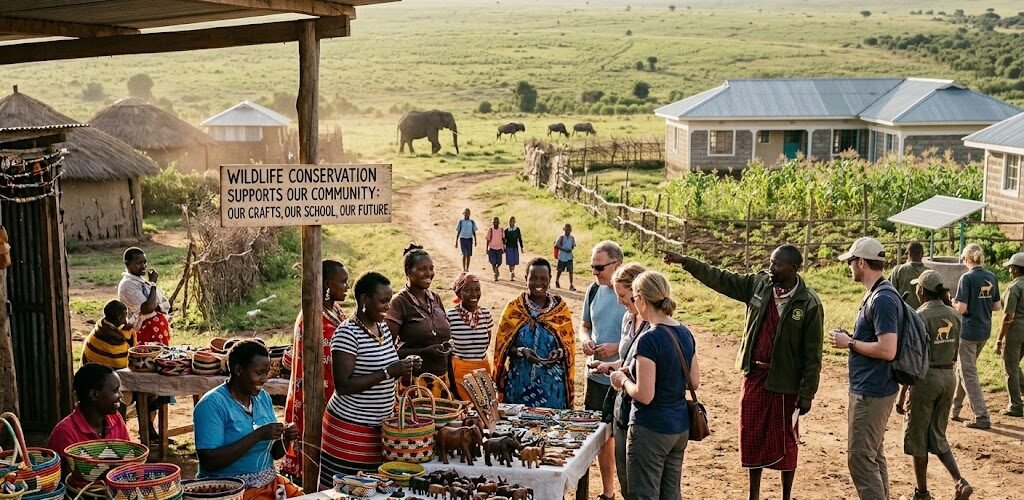
The establishment of national parks generates substantial economic activity in surrounding areas. Tourism infrastructure, including hotels, restaurants, and recreational facilities, flourishes in response to visitor demand. Local businesses experience increased revenue streams, while entrepreneurs find new opportunities in hospitality, guide services, and artisan crafts tailored to park visitors.
Employment opportunities multiply across various sectors, from park management and maintenance to retail and food services. These positions often provide stable income sources for communities that may have previously relied on declining industries such as logging or mining. The diversification of local economies through park-related tourism creates greater resilience against economic downturns in specific sectors.
Infrastructure Development and Community Enhancement
The presence of national parks typically necessitates improvements to regional infrastructure. Roads, transportation networks, and utilities undergo upgrades to accommodate increased visitor traffic. These enhancements benefit not only tourists but also local residents who gain access to improved services and connectivity.
Communities adjacent to national parks often experience:
- Enhanced public transportation systems
- Improved telecommunications infrastructure
- Upgraded water and sanitation facilities
- Better emergency services and medical facilities
- Modernized educational institutions
Cultural Preservation and Heritage Conservation
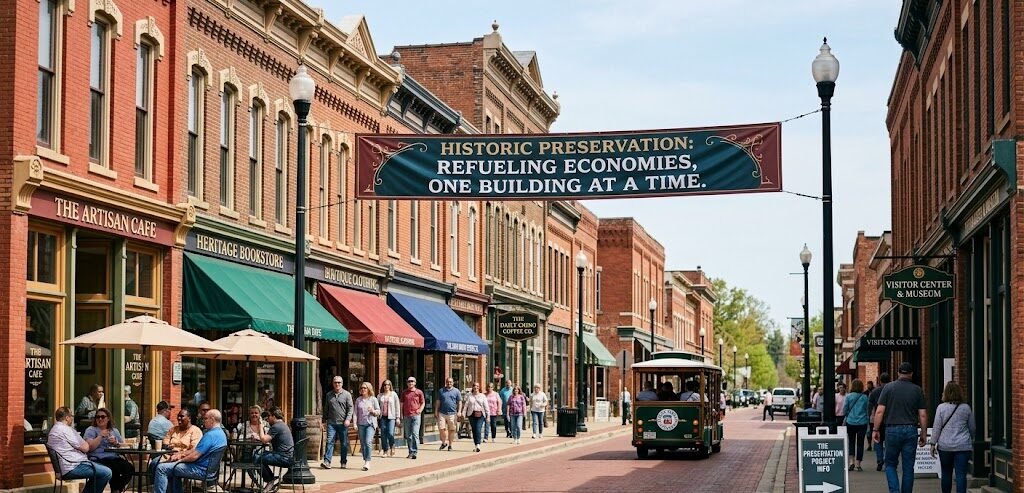
National parks frequently serve as guardians of cultural heritage, protecting archaeological sites, indigenous traditions, and historical landmarks. This preservation effort fosters cultural pride among local communities and creates educational opportunities for younger generations to connect with their heritage.
Indigenous communities, in particular, often benefit from collaborative management arrangements that recognize traditional knowledge and practices. These partnerships ensure that cultural landscapes remain integral to park narratives while providing communities with meaningful participation in conservation efforts.
Education and Environmental Awareness
The educational dimension of national parks transforms communities by fostering environmental stewardship and scientific literacy. Parks serve as outdoor classrooms where residents and visitors alike can learn about ecology, geology, and conservation biology. Local schools frequently develop partnerships with park authorities, creating programs that enhance environmental education curricula.
Community members often become ambassadors for conservation, developing a deeper appreciation for natural resources and sustainable practices. This heightened environmental consciousness can lead to broader community initiatives focused on sustainability and ecological preservation.
Property Values and Real Estate Development
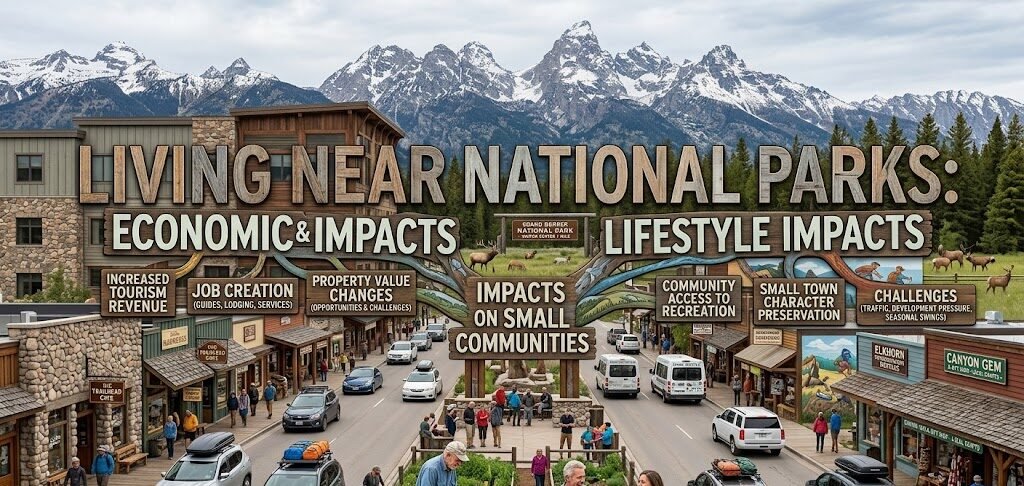
Proximity to national parks typically enhances property values in surrounding communities. The desirability of living near protected natural areas attracts new residents seeking quality of life improvements, outdoor recreation opportunities, and scenic environments. This demographic shift can stimulate real estate markets and increase tax revenues for local governments.
However, this growth requires careful management to prevent overdevelopment and ensure that housing remains affordable for existing residents. Communities must balance economic opportunities with preservation of local character and accessibility.
Challenges and Sustainable Management
While national parks offer tremendous benefits, communities also face challenges associated with increased visitation and development pressures. Seasonal employment patterns can create economic instability, while overcrowding may strain resources and diminish resident quality of life. Traffic congestion, environmental degradation from overuse, and rising costs of living represent significant concerns.
Successful communities address these challenges through:
- Strategic planning that balances growth with sustainability
- Investment in workforce development and year-round employment opportunities
- Implementation of visitor management strategies
- Protection of affordable housing stock
- Community engagement in decision-making processes
Long-term Community Resilience
The transformative power of national parks extends across generations, creating lasting positive impacts on community resilience and adaptability. By diversifying economic bases, preserving natural and cultural assets, and fostering education, these protected areas help communities build sustainable futures.
Local governments and stakeholders must work collaboratively with park authorities to maximize benefits while mitigating negative impacts. Through thoughtful planning and inclusive management approaches, communities can harness the full potential of national parks to create prosperity, preserve heritage, and enhance quality of life for current and future generations.
The relationship between national parks and local communities represents a dynamic partnership that, when properly nurtured, delivers mutual benefits. As conservation priorities evolve and visitation patterns change, ongoing dialogue and adaptive management will ensure that these protected areas continue to serve as engines of positive transformation for the communities they touch.