Across the United States, small towns are emerging as unexpected leaders in climate resilience, demonstrating that innovative environmental strategies are not exclusive to major metropolitan areas. These communities are implementing transformative measures that not only protect against climate-related threats but also revitalize local economies and enhance quality of life for residents.
The Rising Imperative for Climate Action in Rural America
Small American towns face unique vulnerabilities to climate change impacts, including increased flooding, prolonged droughts, extreme heat events, and intensifying storm patterns. Unlike their urban counterparts with substantial budgets and resources, these communities must be creative and strategic in their approach to building resilience. The challenges they face have catalyzed a movement toward sustainable infrastructure and community-driven solutions that serve as models for similar regions nationwide.
Infrastructure Innovations Leading the Way
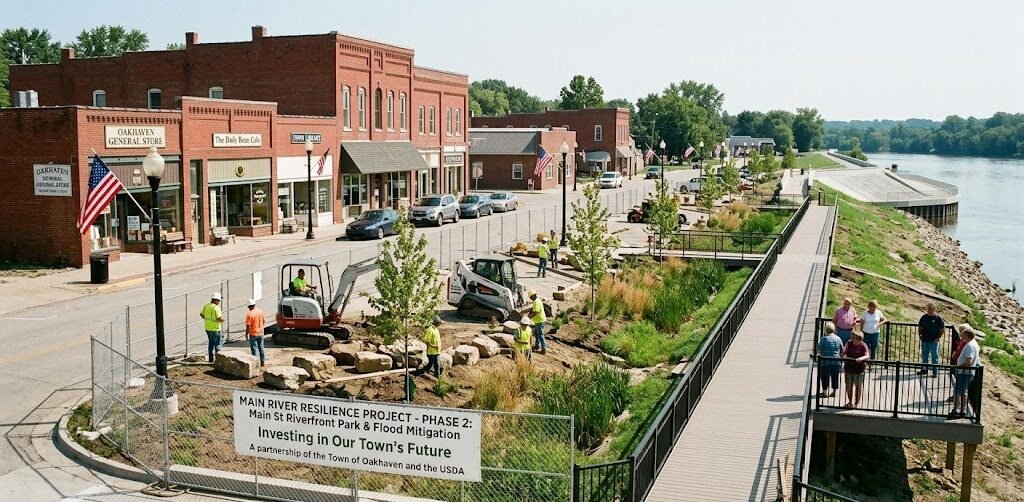
Communities across the country are reimagining their infrastructure to withstand environmental challenges. Green infrastructure projects have taken center stage, with towns implementing permeable pavements, bioswales, and rain gardens to manage stormwater more effectively. These nature-based solutions not only reduce flooding risks but also filter pollutants and create aesthetically pleasing public spaces.
Many municipalities have invested in modernizing their water systems, recognizing that aging infrastructure poses significant risks during extreme weather events. Advanced water conservation technologies, upgraded treatment facilities, and smart monitoring systems enable these towns to manage precious water resources more efficiently while preparing for both drought conditions and heavy precipitation events.
Economic Revitalization Through Sustainability
Climate resilience initiatives have become unexpected engines of economic growth in small towns. The implementation of renewable energy systems, particularly solar and wind installations, has created new employment opportunities while reducing energy costs for municipal operations and residents. Several communities have established themselves as regional leaders in clean energy, attracting businesses and skilled workers seeking sustainable living environments.
The construction and maintenance of resilient infrastructure require skilled labor, providing training opportunities and stable jobs for local residents. Additionally, towns that prioritize climate adaptation often experience increased property values and enhanced appeal to remote workers and young families seeking communities committed to long-term sustainability.
Community Engagement and Social Capital
Successful climate resilience efforts in small towns share a common denominator: robust community engagement. Town hall meetings, citizen advisory committees, and volunteer programs ensure that resilience planning reflects local priorities and knowledge. This participatory approach builds social capital, strengthening community bonds that prove invaluable during crisis situations.
Educational initiatives play a crucial role in these transformations. Schools partner with local governments to incorporate climate literacy into curricula, while community workshops teach residents practical skills such as water conservation, emergency preparedness, and sustainable gardening techniques. These efforts cultivate a culture of resilience that extends beyond infrastructure to encompass behavioral change and collective responsibility.
Leveraging Technology and Data
Small towns are increasingly utilizing sophisticated technology to enhance their resilience capabilities. Geographic Information Systems (GIS) help communities map vulnerabilities and prioritize interventions. Early warning systems for floods, fires, and severe weather enable timely evacuations and resource deployment. Smart grid technology optimizes energy distribution and integrates renewable sources more effectively.
Data-driven decision-making allows these communities to allocate limited resources strategically, focusing investments where they will provide maximum protective benefits. Many towns collaborate with universities and research institutions to access expertise and modeling tools that inform long-term planning strategies.
Funding Mechanisms and Strategic Partnerships
Financial constraints present significant challenges for small towns pursuing ambitious resilience projects. However, innovative funding strategies have emerged to overcome these obstacles. Communities successfully tap into federal and state grant programs specifically designed for climate adaptation. Public-private partnerships leverage private sector resources and expertise while maintaining public oversight and benefit.
Regional collaborations allow multiple small towns to pool resources and share costs for projects with broader geographic impact. These partnerships also facilitate knowledge exchange and create economies of scale for purchasing equipment and services. Some communities have established green bonds or special assessment districts that spread costs over time while generating immediate climate benefits.
Agricultural Adaptation and Food Security
For small towns with agricultural foundations, climate resilience includes transforming farming practices. Farmers adopt drought-resistant crop varieties, implement precision agriculture technologies, and utilize regenerative farming techniques that enhance soil health and carbon sequestration. These adaptations ensure continued food production while contributing to broader climate mitigation efforts.
Community-supported agriculture programs and local food systems strengthen resilience by reducing dependence on vulnerable supply chains. Urban agriculture initiatives, including community gardens and vertical farming projects, supplement local food supplies and provide fresh produce access regardless of external distribution disruptions.
Natural Ecosystem Restoration
Recognition of nature’s protective capabilities has led many small towns to prioritize ecosystem restoration. Wetland rehabilitation projects provide natural flood control while creating habitat for wildlife. Forest management initiatives reduce wildfire risks and improve air quality. Coastal communities restore dunes and maritime forests to buffer against storm surges and erosion.
These restoration efforts deliver multiple co-benefits, including recreational opportunities, tourism attraction, and biodiversity conservation. They demonstrate how climate resilience can align with environmental stewardship and economic development objectives simultaneously.
Lessons Learned and Future Directions
The experiences of pioneering small towns offer valuable lessons for communities beginning their resilience journeys. Successful initiatives emphasize the importance of starting with comprehensive vulnerability assessments, engaging diverse stakeholders from the outset, and maintaining flexibility to adapt strategies as circumstances evolve. Long-term commitment from local leadership proves essential, as does transparent communication about both successes and setbacks.
Looking forward, small American towns are poised to continue their leadership in climate resilience. As climate impacts intensify, the innovations developed in these communities will inform strategies at larger scales. Their demonstration that limited resources need not constrain ambitious action provides hope and practical guidance for the thousands of small municipalities navigating similar challenges.
Building a Resilient Future
The transformation occurring in small American towns represents more than infrastructure upgrades or policy changes. These communities are fundamentally reimagining their relationship with the environment, creating sustainable models that balance human needs with ecological realities. Their success stories illustrate that climate resilience is achievable regardless of community size or budget, requiring instead vision, collaboration, and commitment to long-term well-being over short-term convenience.